
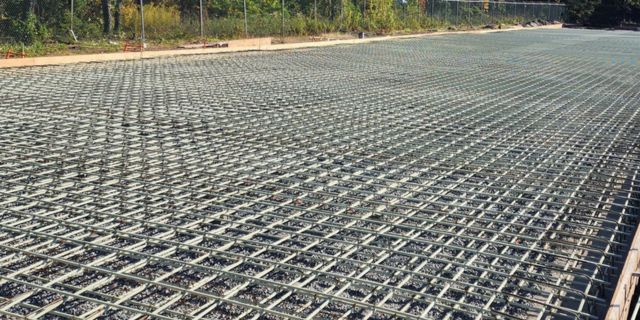
Composite rebars, specifically fiber-reinforced polymers (FRP), are gaining serious traction in modern construction. You’ll find them in bridges, marine installations, coastal developments, and essential infrastructure. They’re becoming hard to miss.
But here’s the thing: despite all the evidence piling up in their favor, misconceptions about their strength and reliability won’t quit. Some myths are just outdated information that keeps circulating. Others come from people who simply haven’t worked with the technology yet.
Let’s take on the most common myths about composite rebars.
Myth 1: Composite Rebars Are Weaker Than Steel
This one tops the list every time. The assumption is that FRP rebars can’t possibly match steel’s strength.
Here’s what’s actually true: many FRP rebars have tensile strengths that exceed conventional steel. The real difference is in something called the modulus of elasticity, which affects how the material responds under load. But that’s not a weakness – it is an engineered behavior designed for specific structural needs.
When you design structures properly with composite rebars, they meet every strength and safety standard required. These don’t become a compromise or a budget option. They’re alternative solutions that perform just as well as steel. Sometimes better.
Myth 2: They Are Not Durable
People seem convinced that composite materials fall apart quickly, especially in harsh environments.
The reality is completely opposite. Composite rebars don’t corrode. They handle moisture like champions. Throw chemicals at them, chlorides – they will take it.
Steel rusts. Steel expands. Steel cracks concrete from the inside as it deteriorates. However, in the case of composite rebars? None of that happens.
In brutal environments, like coastal zones and wastewater treatment plants, composites regularly outlast traditional steel reinforcement. And we’re not talking about a few extra years. These structures can last decades longer without the deterioration problems that steel has.
Myth 3: They Cannot Be Trusted for Load-Bearing Structures
The reality is far more impressive than this myth suggests.
Right now, composite rebars are holding up major infrastructure around the world. Bridges carrying thousands of cars every single day, marine structures getting affected by saltwater 24/7, and even critical load-bearing applications where failure would be catastrophic.
Engineering standards have caught up. International building codes now include FRP reinforcement provisions. These aren’t experimental materials sitting in a lab somewhere. They’re proven solutions with decades of research behind them, rigorous testing, and real projects that are standing strong.
Myth 4: Composite Rebars Are More Expensive
Everyone assumes composites must cost way more than steel; we are here to dismantle that idea with some evidence.
Brands like Duraneo composite rebars compete directly on price. They often match steel prices; sometimes, they beat them.
Think about what else changes. They’re lighter, so shipping is cheaper. They’re easier to move around on site, which cuts labor costs. Installation goes faster because crews can handle them more easily.
But the real financial benefits will show up over the years. Zero corrosion means zero corrosion repairs. Maintenance needs drop dramatically. Run the numbers over 50 years, 75 years, the full life of the structure, and composites don’t have that many costs that come up across a lifecycle. This is where it wins.
The Reality
Composite rebars aren’t some passing construction fad. They’re not specialty products reserved for specific cases.
They solve actual, longstanding problems that steel reinforcement has always had. Look at everything together, the strength, the durability, and what it costs over the entire life of a building or bridge, and composite rebars make a compelling case as smart, future-ready choices for construction today.
But the evidence is clear. The data exists. Real projects are out there performing exactly as promised. Those old assumptions about composite rebars being weak, unreliable, or impractical simply don’t match reality anymore.