
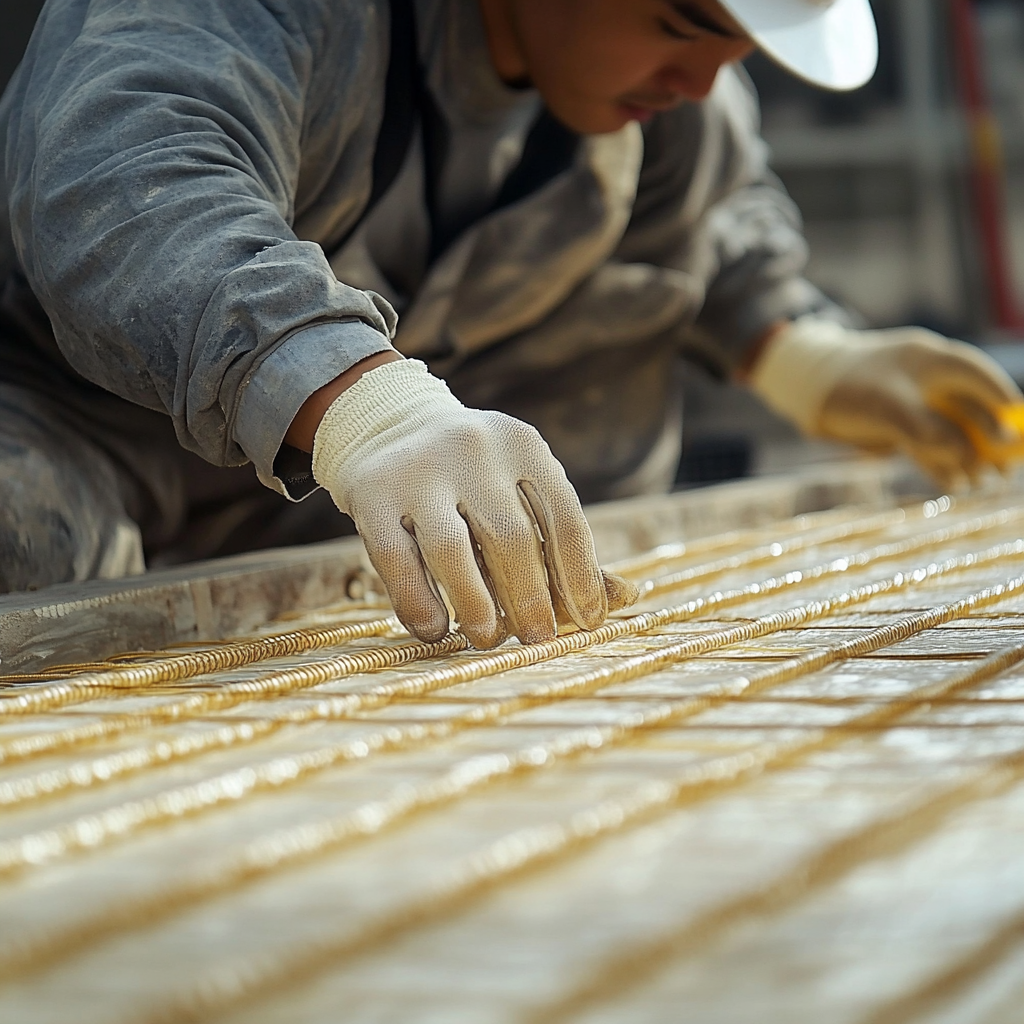
As cities grow denser and climate pressure increases, infrastructure is being pushed harder than before. Harsher environments are becoming normal. The question now is not just how we build, but how we build infrastructure that lasts with minimal intervention, maintenance, and repair.
An innovative material that is redefining durability is at the heart of this shift – the composite rebar.
Low-maintenance infrastructure doesn’t happen by accident. It starts with decisions made early in the planning process – such as choosing a material that reduces long-term risk. Composite rebar is the perfect material for this.
What Are Composite Rebars?
Composite rebars are reinforcement bars typically made from Glass Fiber Reinforced Polymer (GFRP) or other fiber-reinforced composites. They are designed to replace traditional steel reinforcement in concrete structures.
Unlike steel, they:
- Do not rust
- Are significantly lighter
- Resist chemical and moisture damage
These differences matter more today. Environmental conditions are shifting, exposure is increasing, and infrastructure needs materials that can adapt without degrading.
Why Traditional Steel Reinforcement Is Failing Cities
Steel has been the default reinforcement material for decades. But it comes with a limitation that’s hard to work around: corrosion. Once steel starts to rust, it expands. That expansion cracks the surrounding concrete, weakens the structure, and sets off a cycle of repairs. In coastal cities especially, corrosion is one of the biggest drivers of early infrastructure deterioration.
Composite rebars remove the problem of corrosion entirely.
Composite Rebars and the Low-Maintenance Advantage
1. Corrosion resistance:
Because composite rebars don’t oxidize, concrete structures reinforced with them experience fewer cracks and less long-term degradation. Bridges, marine structures, and parking decks stay intact longer and need fewer repair cycles.
2. Lower Lifecycle costs
Initial material costs may be similar to, or slightly higher than, steel. The difference shows up over time. Fewer repairs, lower labor demands, and longer service life add up faster than many expect. For cities planning infrastructure on 50- to 100-year timelines, that matters.
3. Lower Carbon over time
Maintenance also carries a carbon cost. Equipment, replacement materials, and demolition waste all contribute to a carbon footprint. By reducing repair cycles, composite reinforcement lowers embodied carbon over decades and reduces concrete waste.
4. Climate Resilience and Lightweight Efficiency
Climate stress is accelerating infrastructure fatigue faster than many plans anticipated. Salt exposure and repeated heat cycles take a toll on reinforced concrete.
Composite rebars maintain high performance under these conditions. They’re also significantly lighter, sometimes up to 75% lighter than steel. That means easier transport, faster installation, lower fuel use, and less strain on working crews. Scaled across city-wide projects, those gains matter.
5. Building Infrastructure That Lasts
Sustainable cities aren’t built by constantly repairing things. Low-maintenance infrastructure isn’t about doing less work. It’s about building smarter from the start. Composite reinforcement may be one of the most overlooked yet powerful tools in that transformation.