
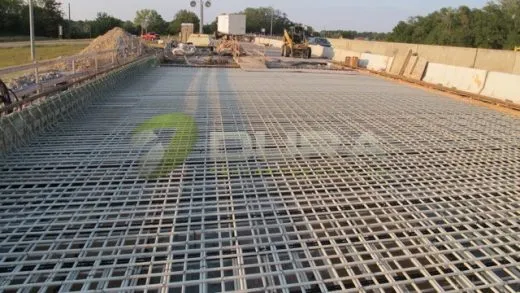
Modular construction is no longer a niche building method. With its ability to deliver faster project timelines, controlled factory-based quality, and reduced environmental impact, it’s now a common method trusted for everything from residential housing to large-scale infrastructure. However, the material used in modular construction also plays a crucial role in the success of its application.
One such material making a noteworthy difference is GFRP (Glass Fiber Reinforced Polymer) rebar, a high-performance alternative to traditional steel reinforcement. As modular construction demands lighter, corrosion-resistant materials that are reliable in diverse environments, GFRP rebars are becoming the natural choice. Here is more on why they fit into modular construction perfectly.
Prefabricated Wall Panels
Modular wall panels benefit greatly from GFRP’s lightweight and high-strength nature. They reinforce thin concrete sections without adding unnecessary weight, making installation faster and more efficient. Their corrosion resistance further prevents deterioration from moisture trapped within wall systems.
Modular Slabs & Floor Systems
Floor cassettes and deck slabs often travel long distances before installation. Using GFRP rebars keeps these modules lighter, easier to transport, and more durable against weather exposure. They also reduce long-term maintenance costs, especially in coastal or humid regions where steel tends to corrode.
Precast Beams, Columns & Structural Frames
Many modular projects depend on precast structural components. GFRP steps to the forefront here by reducing handling weight, increasing tensile capacity, eliminating corrosion-related failures, and improving durability in high-chloride environments.
Utility Modules & MEP Substructures
Modular utility units, such as housing electrical systems, HVAC components, and service shafts, require non-conductive reinforcement to avoid electromagnetic interference. GFRP rebars are ideal due to being non-magnetic and electrically non-conductive, bringing forth safety.
Foundations for Modular Buildings
Though modular elements are prefabricated, their foundations are cast onsite. GFRP plays a role here by introducing long-lasting foundations, no corrosion from soil chemicals, and lightweight handling for remote or constrained sites. This is especially helpful in quick-deploy structures like temporary housing, disaster relief shelters, and military units.
Marine & Coastal Modular Units
Whether it’s modular resorts, offshore offices, or floating infrastructure, marine structures are exposed to extreme environments. GFRP rebars are naturally corrosion-proof, making them the best choice for water-adjacent modular builds.
Temporary Structures & Rapid Deployment Units
For modular setups that rely on frequent assembly and dismantling, such as exhibitions, events, or temporary bridges, GFRP rebars cut transport costs, improve ease of handling, and enhance lifespan through multiple reuse cycles.
In conclusion, modular construction is built on speed, efficiency, and long-term performance, and GFRP rebars align perfectly with these values. Their lightweight, corrosion-resistant, high-strength nature makes them one of the most future-ready reinforcement materials available today. As the world shifts toward modularization, GFRP rebars play an important role in building structures that are not only stronger and built to last but also faster to construct.