
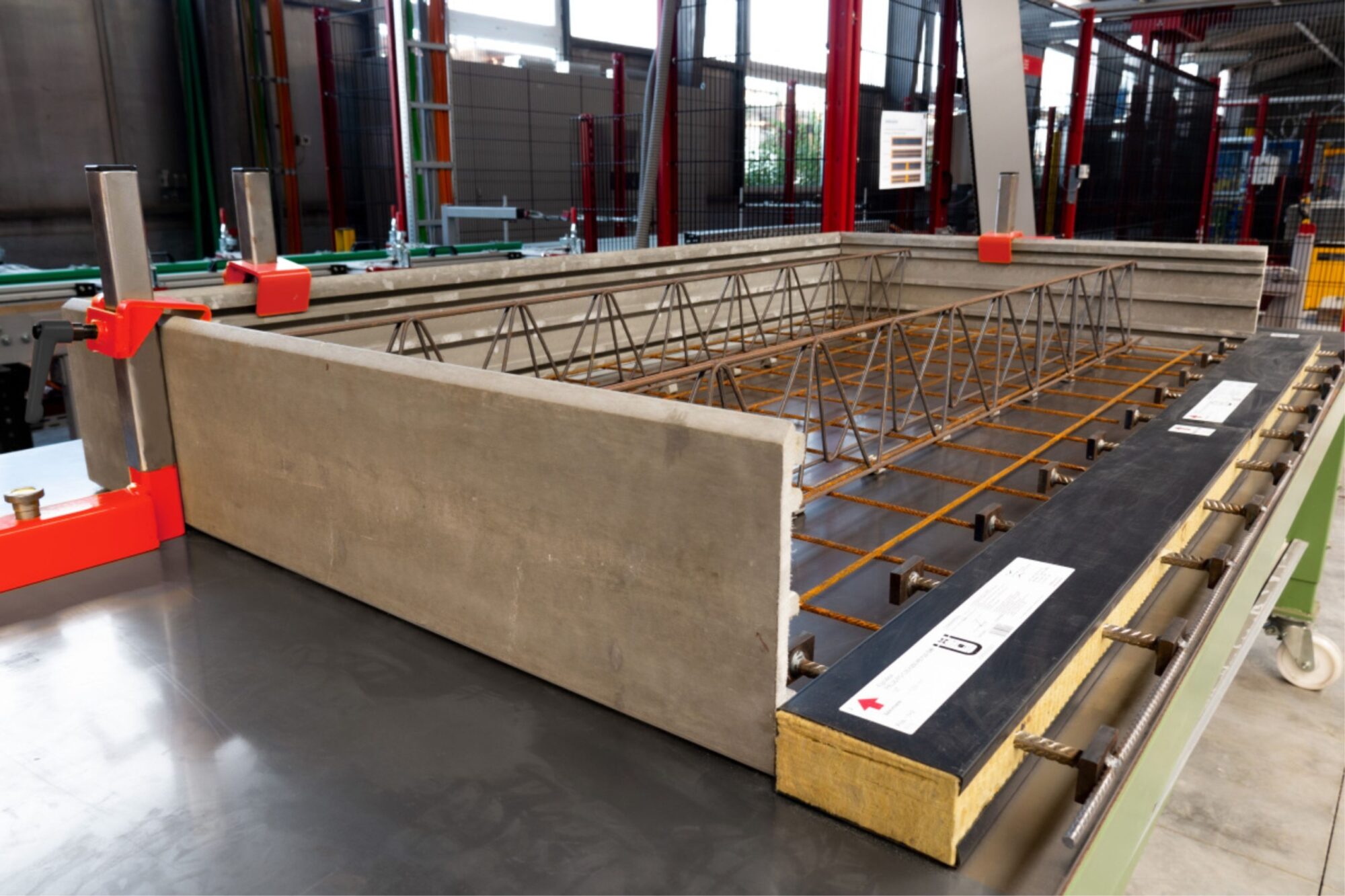
Concrete culverts, box structures, and buried drainage systems are some of the most exposure-intensive elements in civil infrastructure. Constant moisture, chlorides, sulfates, industrial effluents, and repeated wet–dry cycling all make corrosion of steel reinforcement a primary cause of distress and maintenance costs. Glass Fiber Reinforced Polymer (GFRP) reinforcement rebar is increasingly BEING adopted in precast culverts and box structures because it directly addresses these durability challenges while offering benefits in handling, lifecycle cost, and constructability.
GFRP rebars are composite bars made of glass fibers embedded in a polymer matrix. They are non-metallic, electrically non-conductive, and inherently corrosion resistant. These properties help change how a structural element performs over decades compared with carbon-steel reinforcement.
Why GFRP for precast drainage, culverts, and boxes?
Corrosion resistance: Longer service life
Culverts and drainage structures are often in contact with groundwater, saline soils, de-icing salts, or aggressive wastewater. GFRP does not rust; replacing steel reinforcement with GFRP substantially reduces corrosion-driven cracking, spalling, and maintenance needs. This offers a major economic and safety advantage for buried and water-exposed precast units.
Lightweight: Easier handling & lower transport cost
GFRP bars weigh a fraction of steel. For precast manufacturers and contractors, this reduces lifting loads, rigging complexity, and shipping weight, proving an operational saving. This is especially helpful when moving large box units or long culvert sections.
High tensile strength and predictable performance
GFRP typically has higher tensile strength (per unit area) than mild steel, though design approaches must account for its linear-elastic behavior to failure (no yielding). This can enable slender designs but requires careful serviceability checks (deflection, crack width) and limit states thinking different from steel design.
Non-magnetic & dielectric: Specific use cases
Because GFRP is non-conductive and non-magnetic, it is preferred for structures adjacent to sensitive instrumentation, for e.g., in certain industrial or transportation scenarios.
Precast plants benefit from GFRP’s light weight (easier placement of cages), corrosion resistance (less stringent temporary protection), and predictable geometry (ribbed bars for bonding). For precast culverts and box structures that will be stored outdoors in yards before installation, the reduced risk of rusted cages is a practical advantage. However, factory quality control is essential, including resin content, fiber content, bar diameter tolerances, and surface treatment must be verified.
GFRP reinforcement is a mature, well-documented option for precast drainage systems, culverts, and box structures, particularly where corrosion is the limiting factor for durability and life-cycle costs. It offers a path to lower maintenance, longer asset life, and easier handling in precast production. When selected and detailed correctly, GFRP-reinforced precast culverts and box units are an engineering and economic win for corrosive or hard-to-maintain environments.