
The Harsh Reality of Wastewater Environments
Wastewater and sewage structures operate in extremely harsh environments. Tanks, chambers, and pipelines are constantly exposed to moisture, chemicals, chlorides, and corrosive gases like hydrogen sulfide. Unlike typical structures that dry out, these systems face nonstop exposure, creating the perfect conditions for corrosion to begin and worsen.
Hence, durability isn’t optional; it’s essential. Any weakness in rebar protection shows up fast, corrosion accelerates, and repairs are costly and disruptive once the structure is in service. This is why choosing the right rebar selection determines a lot of aspects – such as how long these structures last, and how long they perform well.
How Steel Rebars Deteriorate
Traditional steel rebars deliver strength and are deployed widely for multiple projects. However, wastewater environments expose critical vulnerabilities. Chemicals and moisture gradually penetrate the concrete cover, compromising the protective alkaline layer surrounding the steel.
Corrosion triggers rust expansion, which in turn generates internal pressure against the surrounding concrete. This is followed by cracking and spalling, which causes the structural integrity to erode.
Within sewage systems, cracks present particular hazards. They directly cause leaks, contamination, and environmental damage.
The Cost of Failure
Repairing wastewater infrastructure is far more complex and expensive than repairing a typical building. The maintenance process often requires shutting down operations, draining tanks, and managing health or safety risks. This downtime can affect public services and also become an expensive process.
In such systems, even minor structural failures can escalate into operational disruptions and regulatory concerns.
Why Rebar Selection Matters
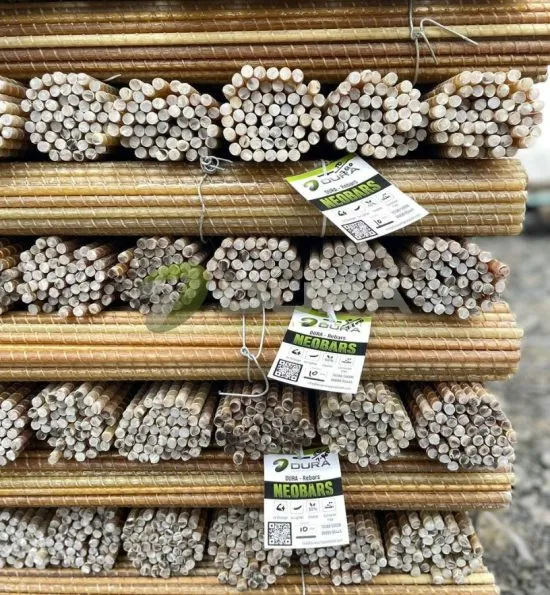
Selecting corrosion-resistant reinforcement is a crucial step to ensure high-quality and continuous performance. Composite rebars, being non-corrosive in nature, can easily resist rust and expansion when affected by moisture and chemical exposure. They preserve structural stability without creating internal fracturing, which dramatically extends the life of a structure.
In wastewater and sewage infrastructure, rebar selection does not solely focus on its load-bearing capacity. It also factors in – an assurance of reliability, minimizing the cost of a lifecycle, and constructing infrastructure capable of withstanding decades of chemical impact without degrading prematurely.
It is important to make a choice that protects both structural integrity and the communities depending on these systems.