
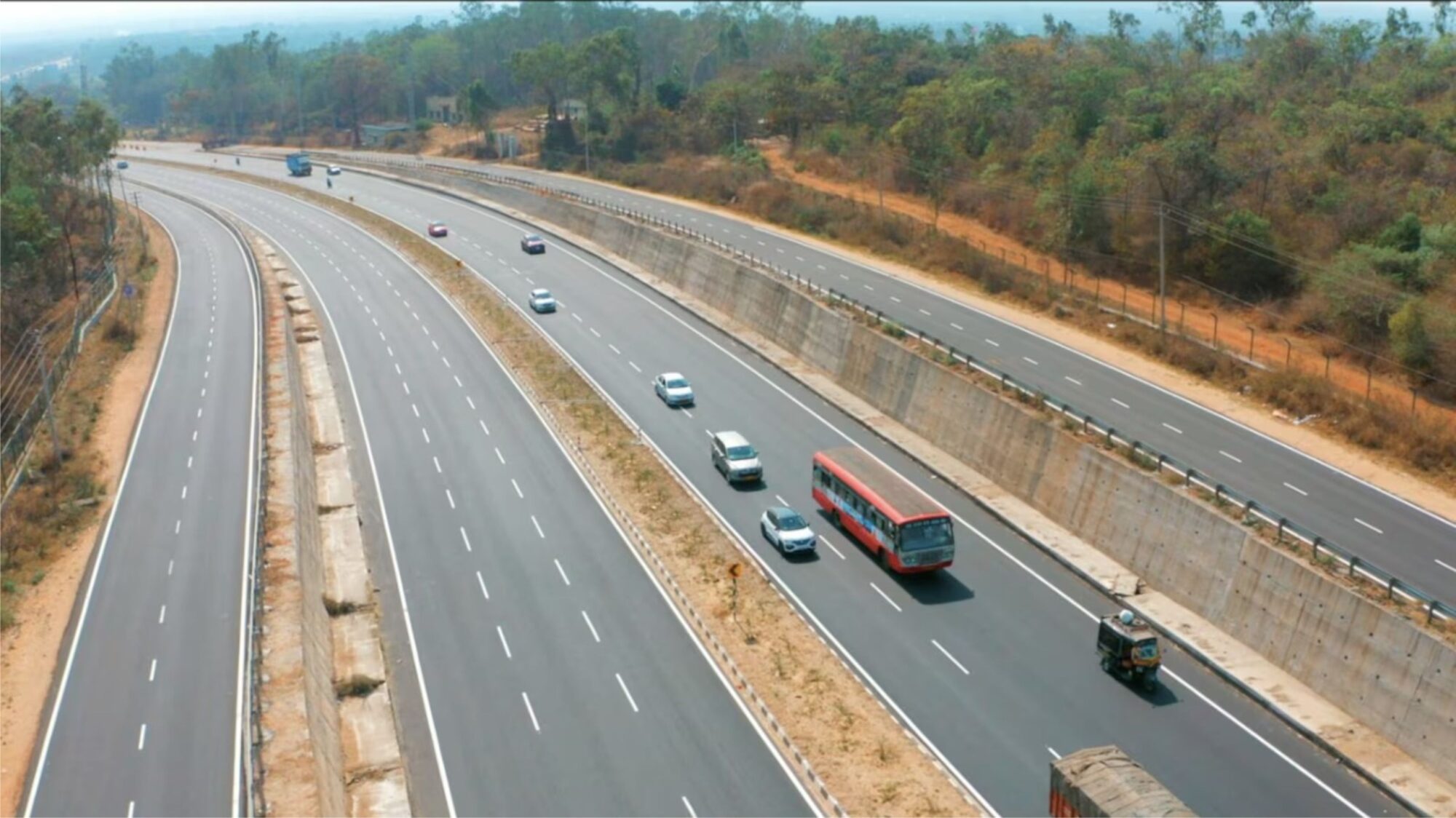
Efficient infrastructure deserves smarter materials, not just stronger ones. Yes, strength is a mandatory factor here, but other requisites, such as durability and safety, are equally important.
Over the decades, only one material has been used for infrastructure, such as bridges – steel rebars. However, in modern bridge design, there’s another big player on the field that is not only stronger but also more durable, safer, and economically less costly. GFRP rebar, or Glass Fiber Reinforced Polymer rebar, isn’t just an alternative to traditional steel reinforcement but a smarter choice for long-lasting, low-maintenance, and high-performance infrastructure. Here’s why:
Corrosion Resistance Means Bridges Last Longer
One of the toughest challenges for any bridge, especially long spans, is corrosion. Steel reinforcement rusts when exposed to moisture, de-icing salts, coastal environments, or even urban pollution. This corrosion creates cracks, weakens the concrete, and leads to costly maintenance or early repairs.
GFRP rebar, on the other hand, doesn’t rust at all. Its glass fiber and polymer composition makes it inherently corrosion-resistant, even in harsh environments like coastal regions or where de-icing salts are used regularly. That translates into longer service life and less money spent on maintenance over decades.
Lightweight Yet Strong
Bridges with long spans put enormous demands on their materials. They must support heavy, dynamic loads from traffic in trucks, buses, and cars, all without sagging or cracking. GFRP rebar has a high strength-to-weight ratio. In simple terms, it’s lighter than steel (up to about 75% lighter), but still delivers excellent tensile strength, which is essential for reinforcement. That reduced weight makes transport and handling easier while also reducing dead load on the entire structure, allowing engineers more flexibility in design and potentially reducing foundation requirements.
Excellent Fatigue Resistance for Heavy Traffic
Every time a vehicle crosses a bridge, the structure experiences tiny stress cycles. Over the years, this repeated loading, especially on highways with heavy traffic, can lead to fatigue in materials that don’t hold up well over time. GFRP rebar performs exceptionally well under cyclical stress due to its polymer matrix, meaning bridges stay resilient even under constant heavy traffic. This resistance to fatigue helps prevent microscopic cracks from growing over time.
Lower Maintenance, Higher Savings
No one wants bridges to be shut down for repairs, and cities certainly don’t want the bill. Since GFRP doesn’t corrode and experiences less deterioration, structures reinforced with it require far less maintenance over their life cycle. The payoff? Lower lifecycle costs and more uptime for traffic.
Non-Conductive and Non-Magnetic
Steel conducts electricity and is magnetic, which can sometimes create challenges in electromagnetic-sensitive environments (like near power lines or specialized equipment). GFRP, on the other hand, is non-conductive and non-magnetic, adding an extra layer of safety and versatility in design, especially for bridges near electrical infrastructure or communication equipment.
Sustainability and Future-Ready Design
In a world that’s increasingly focused on sustainability, materials that last long and reduce environmental impact are the future. Because GFRP reduces the need for frequent replacements, curbs corrosion-related emissions, and lowers material transport impacts (thanks to its lighter weight), it plays into the larger agenda of greener infrastructure.
In conclusion, bridges with long spans and heavy traffic need more than strength. They need smart engineering, materials that resist wear, and solutions that think ahead.
GFRP rebar delivers all that:
- Corrosion resistance = longer life
- Lightweight yet strong = easier construction
- Fatigue resistance = better performance under traffic
- Lower maintenance = cost savings
- Non-conductive properties = versatile design
At Duraneo, we take pride in the fact that GFRP is reshaping bridge engineering, helping create infrastructure that’s durable, efficient, and built to last. Reach out to us for any more information and enquiries about our GFRP reabr.